

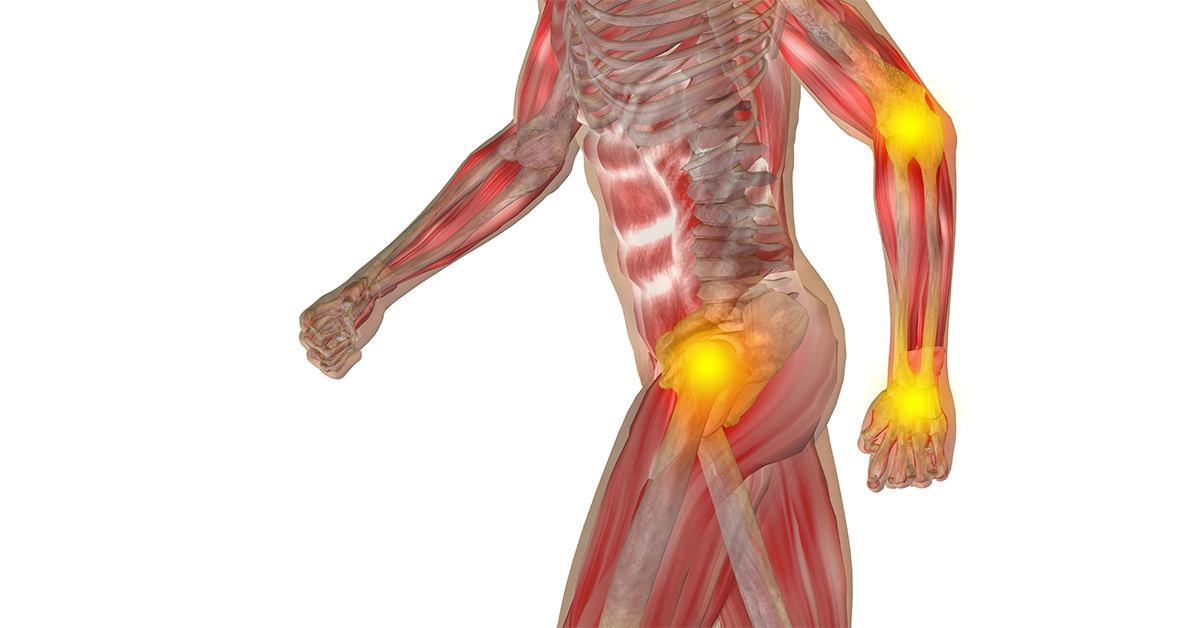
How Do Athletes Fix Hip Pain?
Athletes often face hip pain due to the intense physical demands of their sports. Addressing this pain involves a combination of treatments and preventive strategies tailored to the specific cause of the discomfort. Here are the common approaches athletes use to fix hip pain:
Diagnosis and Assessment
- Medical Evaluation
- Action: Visit a healthcare provider for a thorough examination to diagnose the specific cause of hip pain. This may include physical exams, imaging tests like X-rays or MRIs, and a review of the athlete's activity and medical history.
Treatment Options
- Rest and Recovery
- Action: Reduce or temporarily stop activities that exacerbate the pain. Adequate rest is crucial for healing injuries like strains, stress fractures, and bursitis.
- Ice and Heat Therapy
- Action: Apply ice packs to reduce inflammation and pain immediately after activities. Heat therapy can help relax muscles and improve blood flow before activities.
- Medications
- Action: Use over-the-counter NSAIDs (e.g., ibuprofen) to manage pain and inflammation. In some cases, doctors may prescribe stronger medications or corticosteroid injections for severe inflammation.
- Physical Therapy
- Action: Work with a physical therapist to develop a personalized rehabilitation program. This often includes:
- Strengthening Exercises: Focus on hip, core, and surrounding muscles to provide better support to the hip joint.
- Flexibility and Stretching: Improve the range of motion and reduce muscle tightness.
- Manual Therapy: Techniques like massage and joint mobilization to alleviate pain and improve mobility.
- Activity Modification
- Action: Adjust training routines to avoid movements that cause pain. Incorporate low-impact activities like swimming or cycling to maintain fitness without straining the hip.
- Injections
- Action: For persistent pain, doctors may recommend corticosteroid injections to reduce inflammation or platelet-rich plasma (PRP) injections to promote healing.
- Surgical Interventions
- Action: In severe cases, surgical options like hip arthroscopy to repair labral tears or correct hip impingement might be necessary. Hip replacement surgery is typically considered a last resort for chronic conditions like advanced arthritis.
Preventive Strategies
- Proper Warm-Up and Cool-Down
- Tip: Always perform dynamic warm-ups before activities and static stretching during cool-downs to prepare the muscles and prevent injury.
- Strength and Conditioning
- Tip: Regularly engage in strength training exercises to build muscle support around the hip. Focus on balanced muscle development to avoid imbalances that can lead to injury.
- Flexibility Training
- Tip: Incorporate stretching routines and flexibility exercises to maintain a good range of motion in the hip joint.
- Cross-Training
- Tip: Mix different types of exercises to prevent overuse injuries. Alternate between high-impact and low-impact activities.
- Technique Improvement
- Tip: Ensure proper form and technique during sports activities. Consider working with a coach or trainer to correct any biomechanical issues that could contribute to hip pain.
- Footwear and Equipment
- Tip: Use appropriate footwear and sports equipment to provide adequate support and reduce strain on the hips.
- Gradual Progression
- Tip: Increase the intensity and duration of activities gradually to allow the body to adapt and avoid overloading the hip joints.
Athletes can effectively fix hip pain through a combination of rest, targeted treatments, and preventive measures. Early diagnosis and a tailored approach to rehabilitation are crucial for recovery and return to peak performance. By integrating these strategies, athletes can manage hip pain and reduce the risk of future injuries.