

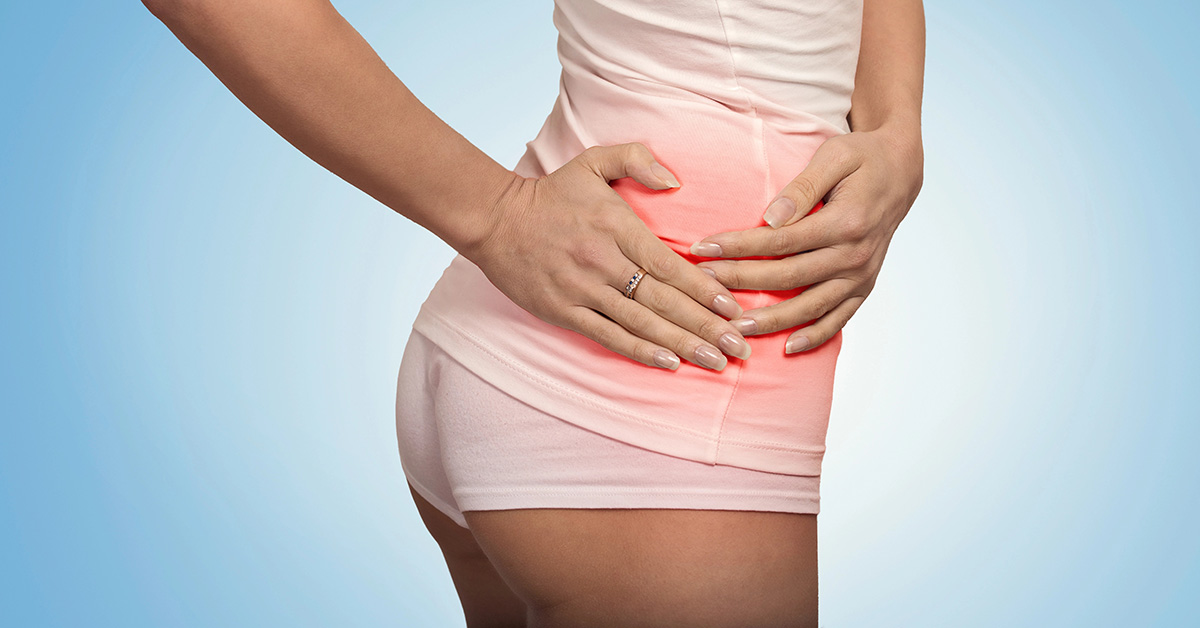
What is Athletic Hip Pain?
Athletic hip pain refers to discomfort or injury in the hip area commonly experienced by athletes and active individuals. This type of pain can stem from various causes, including overuse, acute injuries, or underlying conditions, and can significantly impact an athlete’s performance and quality of life.
Causes of Athletic Hip Pain
Athletic hip pain is often caused by repetitive stress and strain on the hip joint and surrounding muscles. Common activities that lead to this type of pain include running, jumping, cycling, and sports that involve rapid changes in direction. Here are some specific causes:
- Overuse Injuries: Continuous repetitive movements can lead to conditions such as tendinitis or bursitis, causing inflammation and pain.
- Muscle Strains: Sudden or intense physical activity can overstretch or tear muscles around the hip, such as the hip flexors, glutes, or hamstrings.
- Labral Tears: The labrum is a ring of cartilage that surrounds the hip joint. Tears can occur from trauma or repetitive motion, leading to pain and instability.
- Hip Impingement (FAI): Femoroacetabular impingement occurs when there is abnormal contact between the hip bones, causing pain and limiting movement.
- Stress Fractures: High-impact activities can cause tiny cracks in the bones of the hip, resulting in pain and potential complications if left untreated.
Symptoms of Athletic Hip Pain
Athletic hip pain can manifest in various ways, including:
- Localized Pain: Often felt in the front, side, or back of the hip, the pain may be sharp, dull, or throbbing.
- Stiffness and Limited Range of Motion: Difficulty moving the hip joint freely, with stiffness, especially after periods of rest or inactivity.
- Swelling and Tenderness: Inflammation around the hip joint can cause visible swelling and tenderness when touched.
- Weakness: Muscle weakness in the hip area can make it difficult to perform athletic movements effectively.
Managing and Preventing Athletic Hip Pain
Effective management and prevention of athletic hip pain involve a combination of rest, treatment, and preventive measures:
- Rest and Recovery: Allow time for the hip to heal by reducing or modifying activities that cause pain. Incorporate rest days into your training schedule.
- Physical Therapy: Engage in physical therapy to strengthen the hip muscles, improve flexibility, and correct any imbalances.
- Proper Warm-Up and Cool-Down: Always warm up before and cool down after activities to prepare the muscles and joints for exercise and reduce the risk of injury.
- Cross-Training: Mix different types of exercises to avoid overuse injuries and promote overall hip health.
- Medical Treatment: Seek medical advice if pain persists. Treatments may include medications, injections, or in severe cases, surgical intervention.
Conclusion
Athletic hip pain is a common issue among active individuals, often resulting from overuse, muscle strains, or structural problems. Recognizing the symptoms and understanding the causes can help in managing and preventing this pain, ensuring that athletes can maintain their performance and enjoy their activities without discomfort.